Rime Agri

Agricultural
Film and Nets

Agricultural Stretch and Nets

By achieving more with less

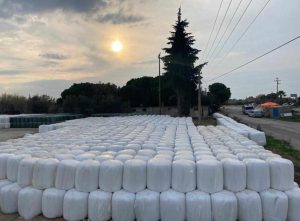
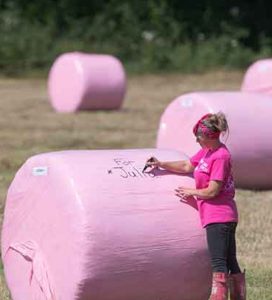
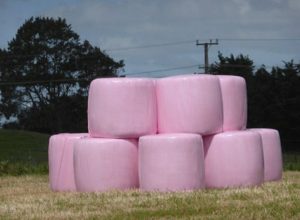
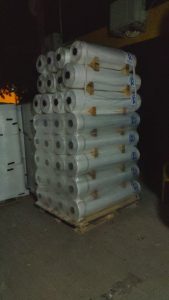
RIME AGRI agricultural stretch and nets have been designed to attain the highest level of protection for silage. Some examples of use are in bunker silos or for baled silage. Using RIME AGRI agricultural stretch and films here significantly and demonsrably reduces rotting.

  • Extensive know-how in packaging technology and load securing
  • High environmental compatibility, sustinability & best raw materials 
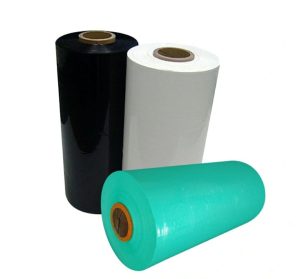
  • Silage films by RIME AGRI are used in agriculture as UV-stable wrapping foils for the production of high quality bale silage. Our agricultural stretc films and nets ara available six different versions and guarantee perfectly sealed silage.
  • Can be used silage wrap film, bales net wrapping, waste wrapping film

Stretch Film Usage Guide

Our stretch film is designed to help you produce high-quality silage with ease. To achieve optimal results, correct application is essential. With nearly 40 years of experience in the agricultural sector, we strongly recommend that you follow the instructions below.


1. Storage & Product Inspection
  • Do not use rolls that appear damaged or deformed.

  • Any damage must be reported in writing to your distributor within 14 days of delivery.

  • Store rolls in a dry, cool place (ideally 15°C–20°C) away from sunlight.

  • Stretch film is a “living” product and should be used within 12 months of production.

  • Protect rolls from impact, especially on the edges.


2. Keep Away from Chemicals

Do not expose the film or wrapped bales to the following substances:

  • Herbicides and pesticides

  • Fertilizers

  • Sulfur dust and ammonium chloride

  • Oils, copper, zinc, or iron-based products

These chemicals can severely damage the film’s structure and compromise silage quality.


3. Ideal Weather Conditions for Wrapping
  • Avoid wrapping in extreme heat or under direct sunlight.

  • Operate in shaded areas and in temperatures below 30°C for best performance.


4. Grass Cutting & Harvest
  • Cut grass when it begins to form heads (early bloom stage).

  • Perform harvesting on dry, sunny days for the best results.

  • Overly wet grass leads to poor fermentation, mold, and spoilage.

  • Never wrap bales during rainfall.


5. Baling Guidelines
  • For silage: aim for 35%–50% dry matter

  • For haylage: aim for 55%–65% dry matter

  • Ensure bales are dense, symmetrical, and tightly packed.

  • Do not use sisal twine. Only use polyethylene or polypropylene net wrap or film.


6. Bale Wrapping Instructions
  • Wrap the bale within 2 hours of baling to preserve forage quality.

  • The outer surface of the film must face the bale.

  • Recommended pre-stretch levels:

    • Round bales: 55%–70%

    • Square bales (only with 750 mm film): 80%

  • To check pre-stretch, measure the film width during application:

    • 500 mm film → should stretch to 38–42 cm

    • 750 mm film → should stretch to 58–62 cm


7. Recommended Number of Layers
  • Apply at least 6 layers of film using the 2+2+2 method.

  • For storage over 6 months or for haylage: apply 8 or more layers.

  • In tube wrapping systems, apply 6 layers per overlap as well.


8. Stacking & Transportation Tips
  • Ensure there are no loose ends or film tails after wrapping.

  • Transport bales as close as possible to the wrapping site.

  • Stack high dry matter bales up to 3 layers high; low dry matter bales should be stored in a single layer.

  • For best results, use horizontal stacking with overlapping bales.

  • Avoid any punctures or abrasions during transport.


9. Best Practices for Silage Storage
  • Do not store bales under trees, near fences, or in areas prone to standing water.

  • Gravel or sand surfaces are ideal for preventing moisture damage and film wear.


Final Note

By following these guidelines, you ensure:

  • Longer storage life

  • Higher quality forage

  • Reduced feed waste and economic loss

Using quality stretch film correctly is the key to profitable, high-efficiency silage production.